Lovense vs We-Vibe: Which Smart Sex Toy Brand Is Better in 2026? | NightWant
Lovense vs We-Vibe: Which Smart Sex Toy Brand Is Better in 2026?
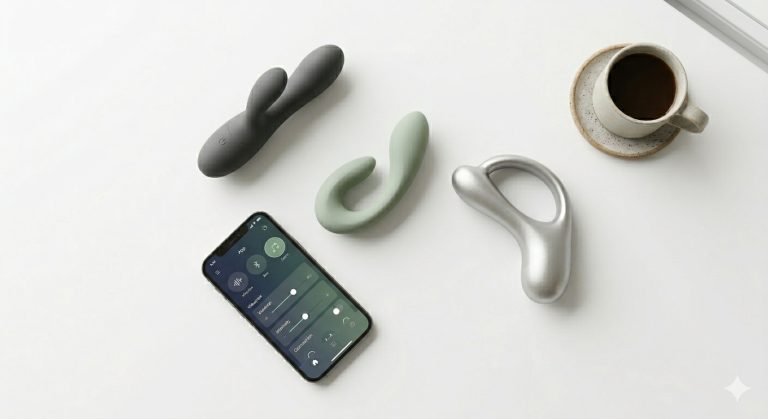
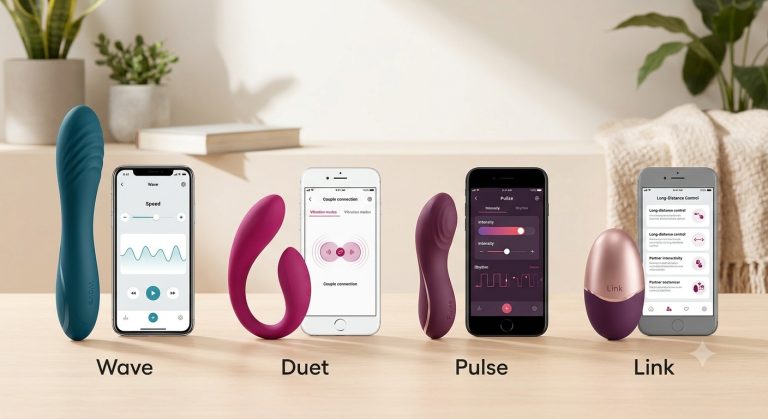
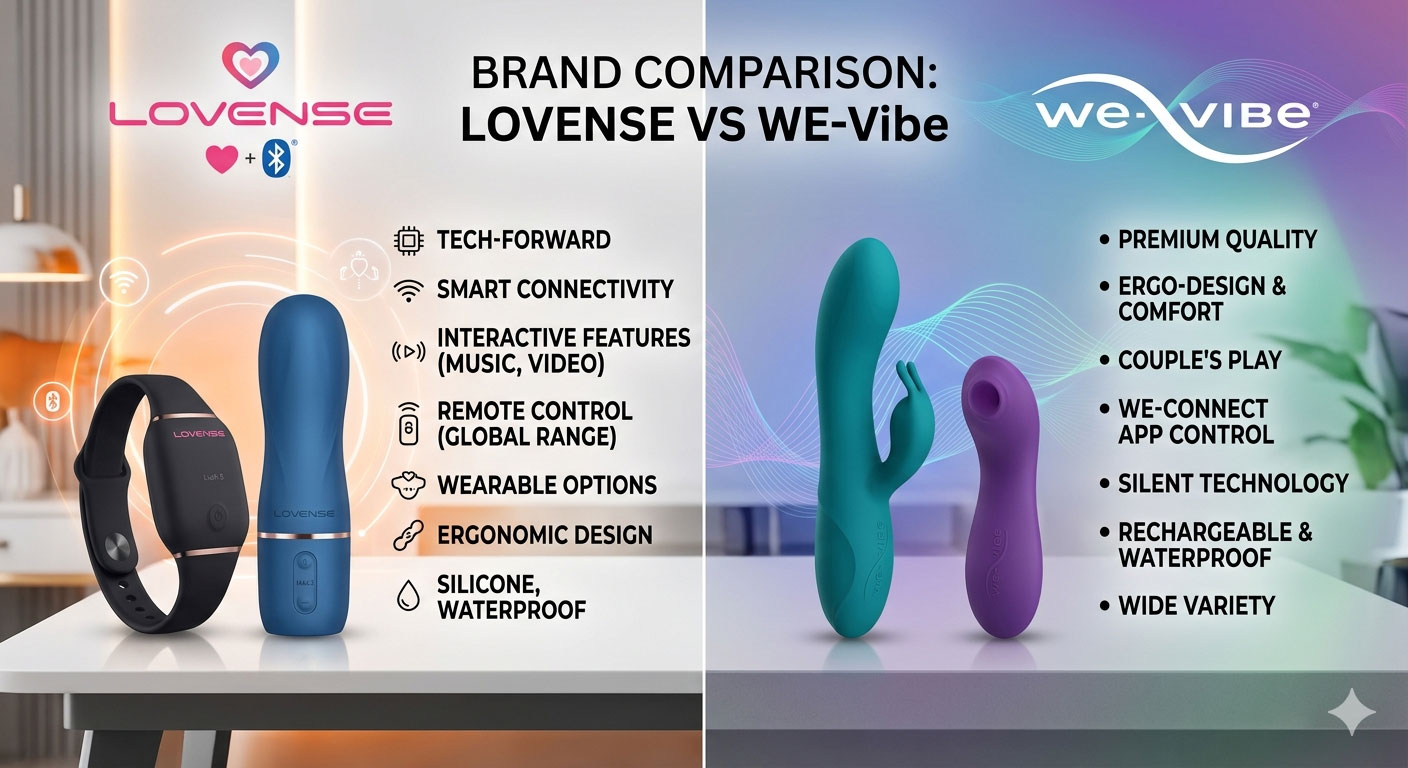
Smart intimacy products have evolved rapidly over the past few years, and two brands consistently dominate the conversation: Lovense and We-Vibe.
Both companies offer app-controlled vibrators, wearable couple toys, and long-distance connectivity features designed to help couples stay intimate and connected. However, the overall experience between the two brands can feel very different depending on your priorities.
So which brand is actually better in 2026?
In this comparison, we break down Lovense vs We-Vibe based on app performance, long-distance features, comfort, vibration quality, discretion, and overall user experience.
Quick Winner
| Category | Winner |
|---|---|
| Long-Distance Features | Lovense |
| App Experience | Lovense |
| Wearable Comfort | We-Vibe |
| Quiet Operation | We-Vibe |
| Interactive Features | Lovense |
| Overall Value | Lovense |
Overall Verdict
Lovense is generally the better option for long-distance couples and advanced interactive features, while We-Vibe excels in comfort-focused wearable couple toys.
Brand Overview
Lovense
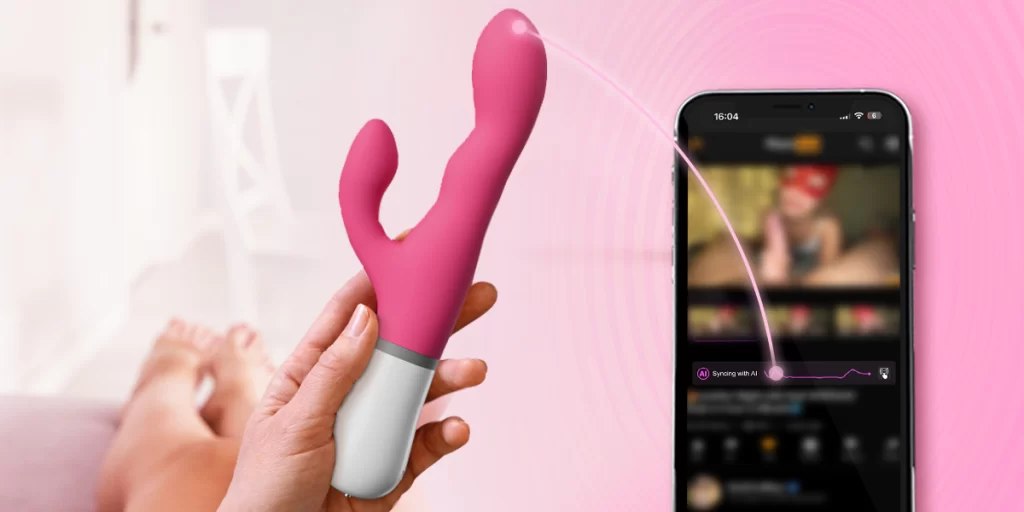
Lovense is best known for smart app-controlled intimacy products designed for long-distance relationships and interactive experiences.
The brand focuses heavily on:
- Remote connectivity
- Interactive syncing
- App innovation
- Real-time partner control
Lovense products are especially popular among long-distance couples and users who prioritize advanced app functionality.
Popular products include:
- Nora
- Max 2
- Ferri
- Lush 3
We-Vibe
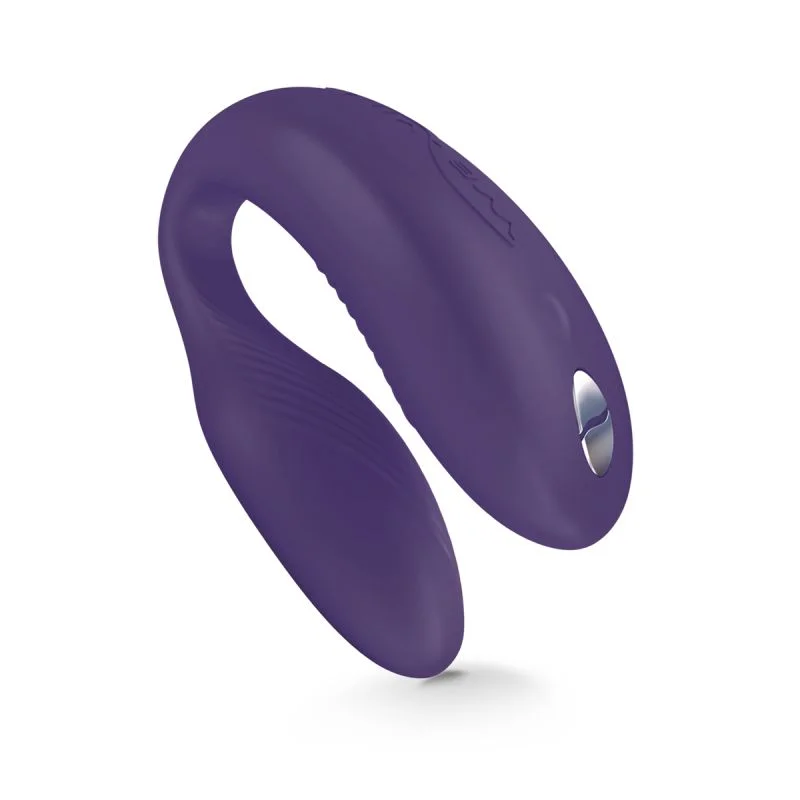
We-Vibe focuses more on wearable comfort and couple-oriented designs.
Their products are known for:
- Comfortable fit
- Quiet performance
- Couple-friendly wearables
- Elegant design
We-Vibe toys often feel more lifestyle-oriented and less technology-focused compared to Lovense.
Popular products include:
- Sync
- Chorus
- Melt
App Experience
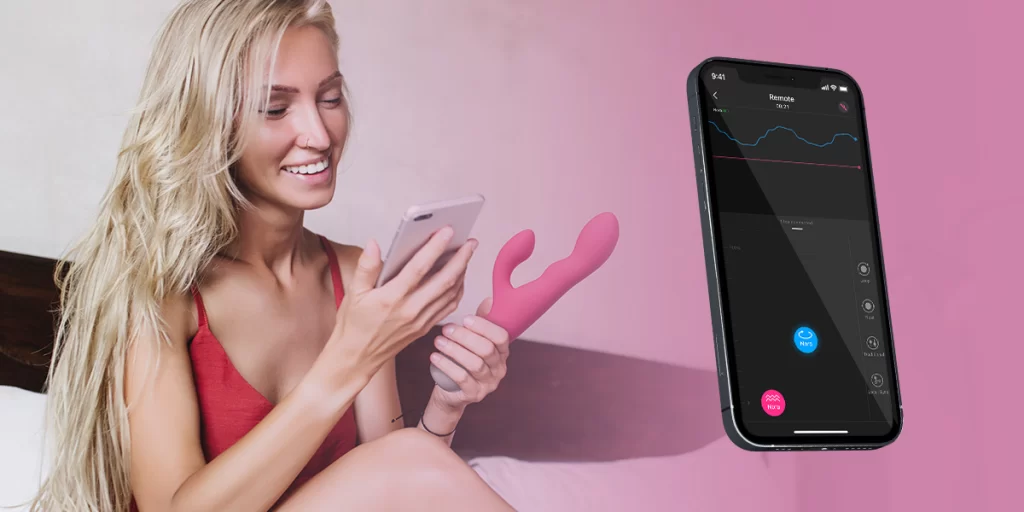
Lovense App
Lovense currently offers one of the strongest smart toy apps on the market.
Features include:
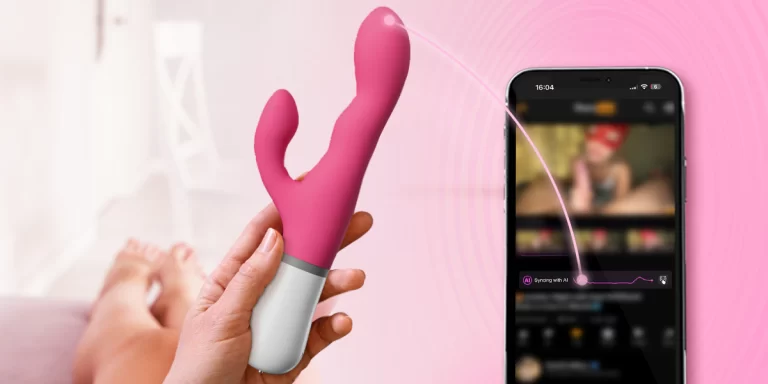
- Long-distance remote control
- Music sync
- Custom vibration patterns
- Interactive syncing
- Video chat integration
- Pattern sharing
The app connection is generally stable and highly responsive.
For couples separated by distance, Lovense clearly has the advantage.
Pros
✔ Excellent remote connectivity
✔ Advanced customization
✔ Interactive syncing
✔ Frequent updates
Cons
✘ Slight learning curve for beginners
We-Vibe App
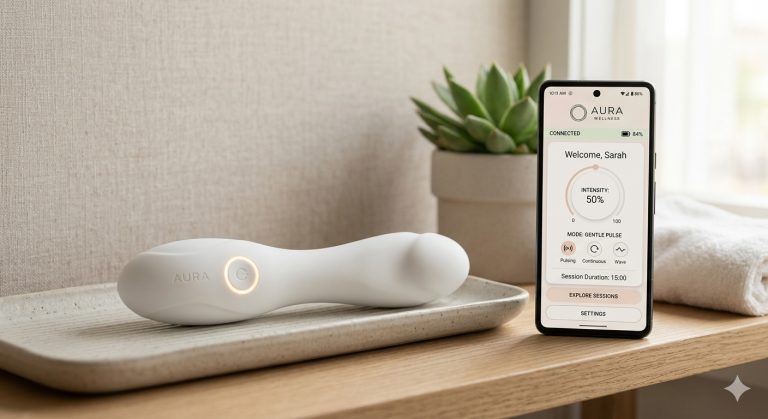
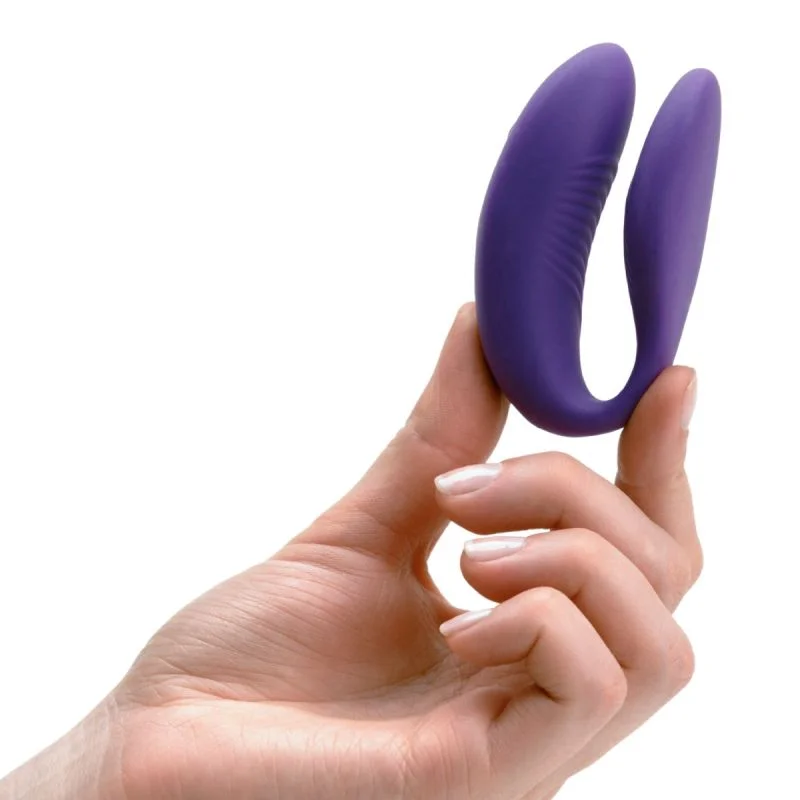
The We-Vibe app is simpler and easier for casual users.
It supports:
- Remote controls
- Custom patterns
- Touch-based controls
- Couple sessions
However, long-distance responsiveness and connectivity are generally not as advanced as Lovense.
Pros
✔ User-friendly interface
✔ Simple setup
✔ Good wearable integration
Cons
✘ Fewer advanced features
✘ Slightly weaker remote responsiveness
Long-Distance Features
This is where Lovense clearly dominates.
Lovense products are designed specifically for internet-based long-distance interaction. Remote controls feel smooth and responsive even across different countries.
Interactive syncing between compatible toys like Nora and Max 2 creates a more immersive shared experience.
We-Vibe supports remote connectivity, but the experience feels more limited and less interactive overall.
Winner: Lovense
Wearable Comfort
We-Vibe performs exceptionally well when it comes to wearable comfort.
Products like We-Vibe Sync and Chorus are designed specifically for couple use and ergonomic fit. Many users find them more comfortable during partnered intimacy compared to larger Lovense products.
Lovense toys prioritize technology and interaction, while We-Vibe focuses more on comfort and natural fit.
Winner: We-Vibe
Noise Level
We-Vibe products are generally quieter and more discreet.
This makes them a better option for users prioritizing:
- Quiet operation
- Wearable discretion
- Shared living situations
Lovense products remain reasonably quiet, but stronger motors can become more noticeable.
Winner: We-Vibe
Interactive Features
Lovense offers significantly more advanced interactive technology.
Features such as:
- Toy syncing
- Music reactions
- Touch controls
- Interactive sessions
- App customization
make the overall experience feel more immersive.
We-Vibe focuses more on simplicity rather than deep customization.
Winner: Lovense
Product Comparison
| Feature | Lovense | We-Vibe |
|---|---|---|
| Long-Distance Connectivity | Excellent | Good |
| App Features | Advanced | Moderate |
| Wearable Comfort | Good | Excellent |
| Noise Control | Good | Excellent |
| Interactive Syncing | Excellent | Limited |
| Beginner Friendly | Moderate | Excellent |
Who Should Choose Lovense?
Lovense is best for:
✔ Long-distance couples
✔ App-focused users
✔ Interactive experiences
✔ Advanced remote controls
✔ Tech-oriented intimacy products
Recommended products:
- Lovense Nora
- Lovense Max 2
- Lovense Ferri
Who Should Choose We-Vibe?
We-Vibe is best for:
✔ Couples prioritizing comfort
✔ Wearable designs
✔ Quiet operation
✔ Simpler app experiences
✔ Beginner-friendly products
Recommended products:
- We-Vibe Sync
- We-Vibe Chorus
FAQ
Is Lovense better than We-Vibe for long-distance relationships?
Yes. Lovense generally provides stronger long-distance connectivity and more advanced interactive features.
Which brand is quieter?
We-Vibe products are typically quieter and more discreet.
Which app is better?
The Lovense app offers more advanced functionality and customization options.
Which brand is better for beginners?
We-Vibe is often easier for beginners due to its simpler interface and comfort-focused designs.
Final Verdict
Both Lovense and We-Vibe make excellent smart intimacy products, but they target slightly different audiences.
Lovense is the stronger choice for long-distance couples, interactive experiences, and advanced app functionality. Meanwhile, We-Vibe excels in wearable comfort, discretion, and beginner-friendly designs.
For couples prioritizing remote connectivity and smart interaction, Lovense remains the overall winner in 2026.